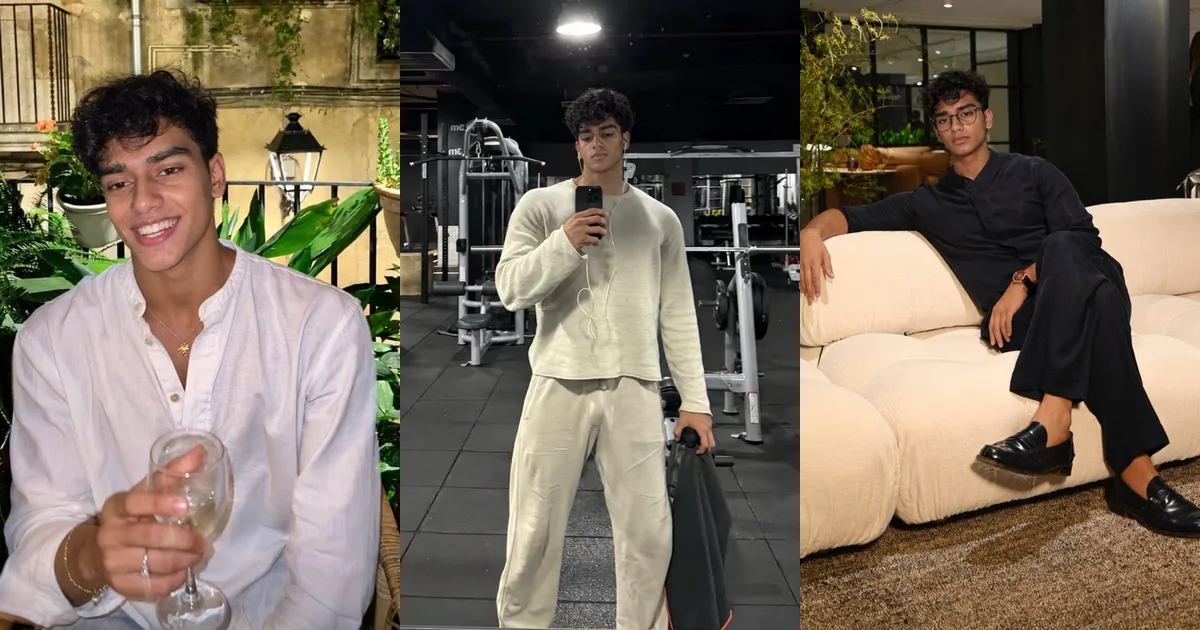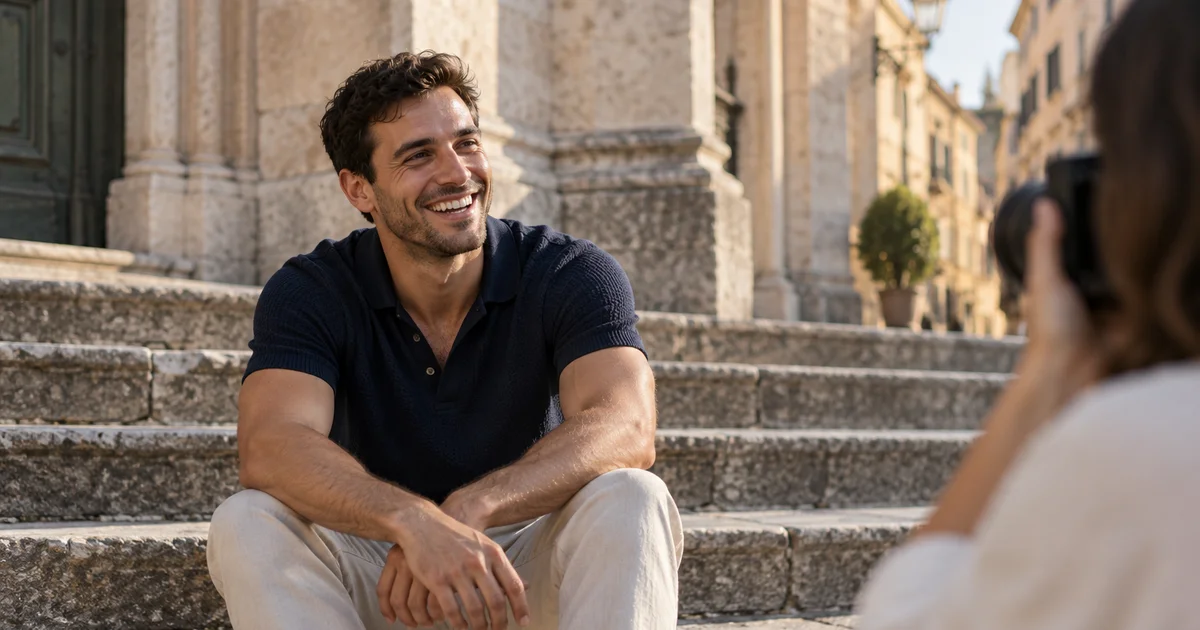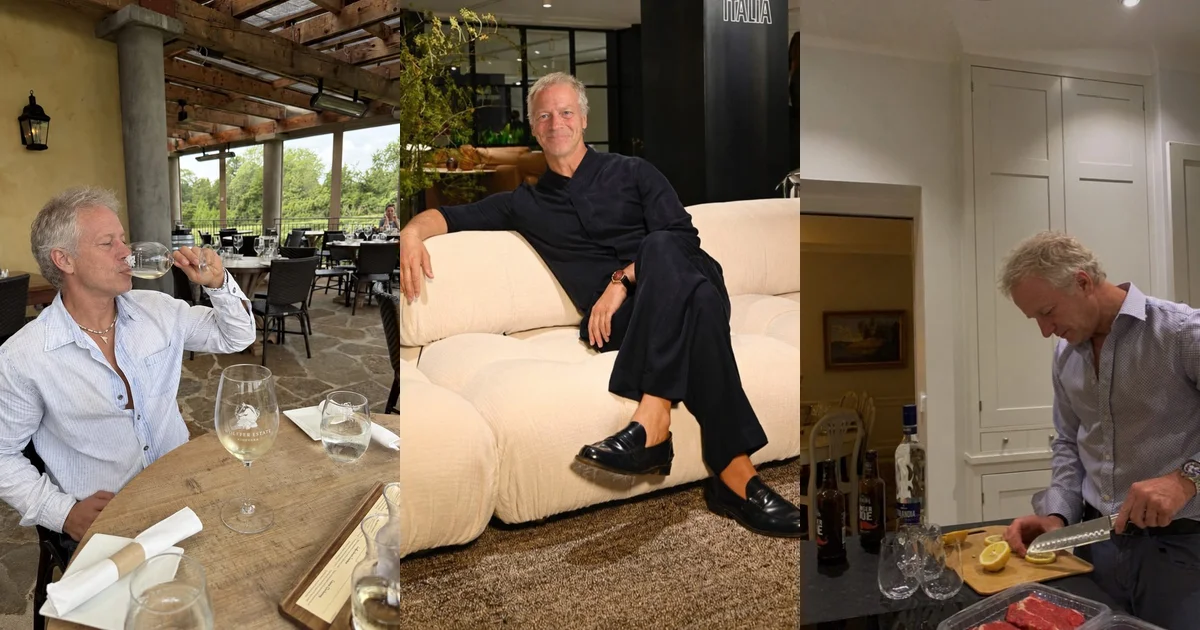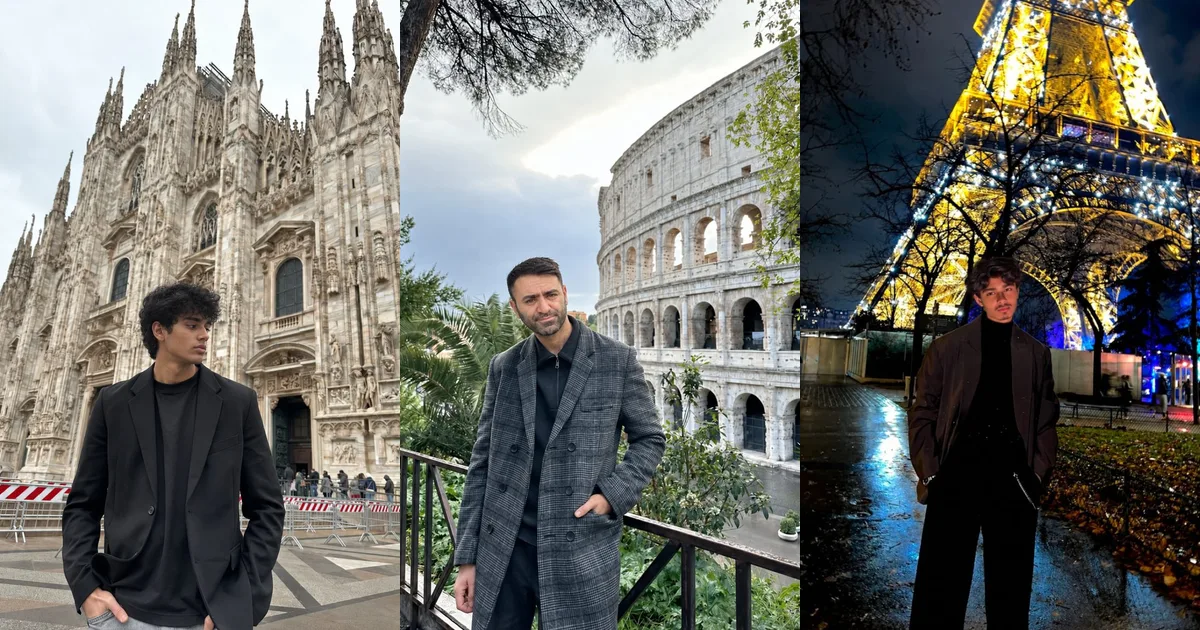
The best AI dating photo generator is the one whose results you would be comfortable defending on a first date: ordinary-looking phone photos of your real face, in scenes that fit your life, from a company that tells you plainly what happens to your selfies. Dating-focused tools such as TrueLook, DatePhotos.AI, Fotto.ai, DatingShoot and TinderProfile.ai are built for that job, while headshot generators such as Aragon AI and HeadshotPro are built mainly for LinkedIn. After likeness and realism, the right choice comes down to how you want to pay, how many photos you will really use and how much control you want over each scene.
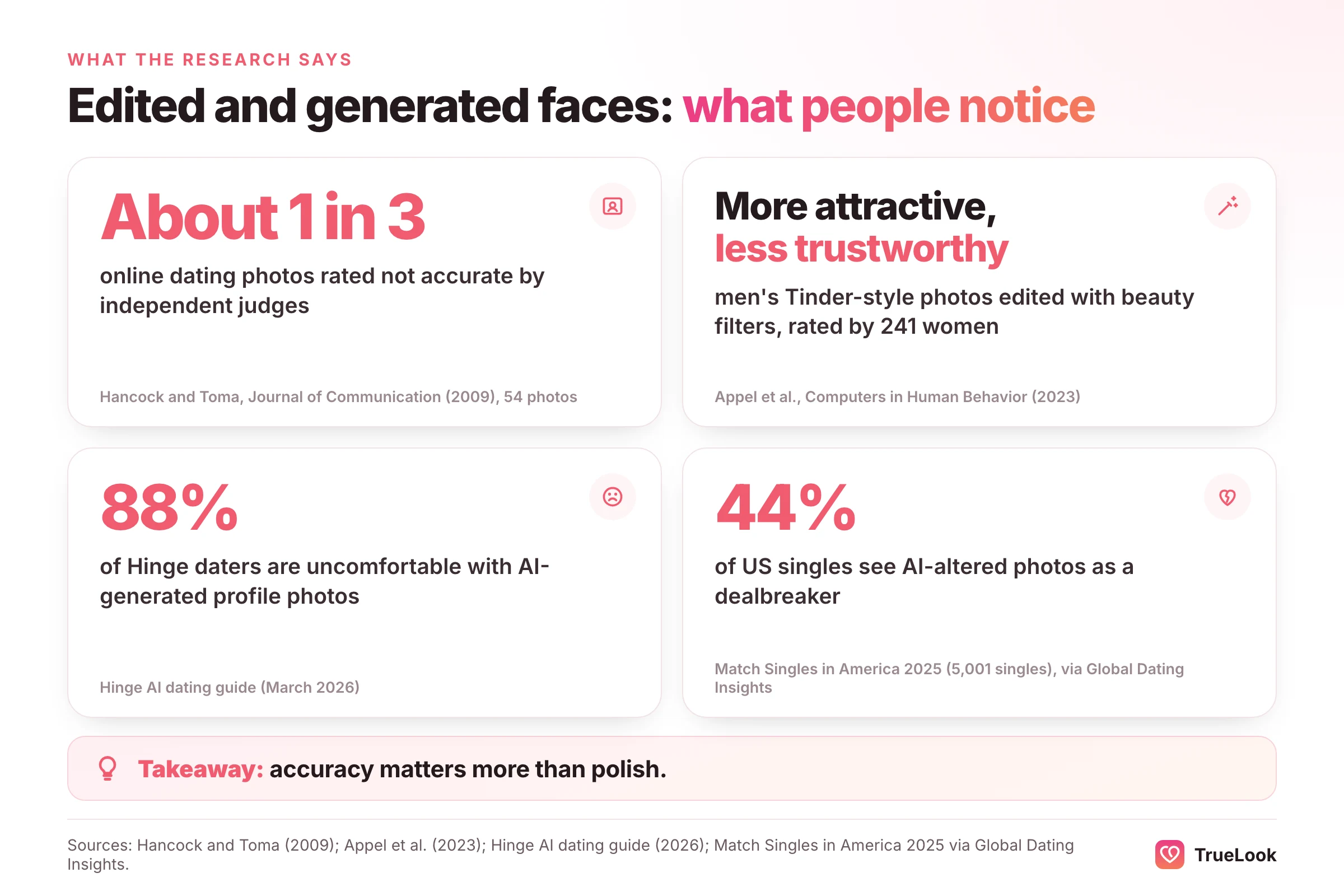
- Likeness beats polish. Independent judges in a 2009 Journal of Communication study rated about a third of ordinary online dating photos as inaccurate, and that was before AI. A generator that improves your face makes the gap between profile and person wider.
- There are three kinds of tool: services that train a personal model and deliver a big batch, services that generate photos one at a time from a few selfies, and general image editors that change a single photo. Each has different strengths.
- Daters are wary. Hinge reported in March 2026 that 88% of its users are uncomfortable with AI-generated profile photos, and Match's 2025 Singles in America study found 44% of singles see AI-altered photos as a dealbreaker.
- Verification is tightening. Tinder now asks new users in many regions for a video selfie that is compared with their profile photos. No generator controls whether you pass; looking like your photos is the only reliable input.
- Judge price by cost per photo you keep, not by the headline number of images. A batch of 150 with ten keepers can cost more per usable photo than a smaller set you choose scene by scene.
- Read the privacy terms before uploading. Only some vendors say clearly whether your selfies train their models and when uploads are deleted.
- Keep at least one real, recent photo in the lineup. Hinge's terms ask for one, and it makes the rest of the profile easier to trust.
This guide explains how these tools work, what the research says about edited and generated faces, how to choose, and what each main product offers. Every price and feature below was checked on the vendor's own site on 2 November 2026 and is written as what its site listed at the time of writing. There are no star ratings or invented test scores. Where we name a tool as "best for" something, that is a fit for a use case, not a ranking. Side-by-side detail for each product is on its comparison page, and all of them are collected on our AI dating photo generator comparison.
What an AI dating photo generator is and how it works
An AI dating photo generator takes a handful of pictures of you and produces new photos of you in places and outfits you never photographed: a terrace at golden hour, a hiking trail, a dinner table, a city street at night. People use them to fill the gaps that sink most dating profiles, such as having no full-length shot, nothing taken outdoors, or nothing from the last two years.
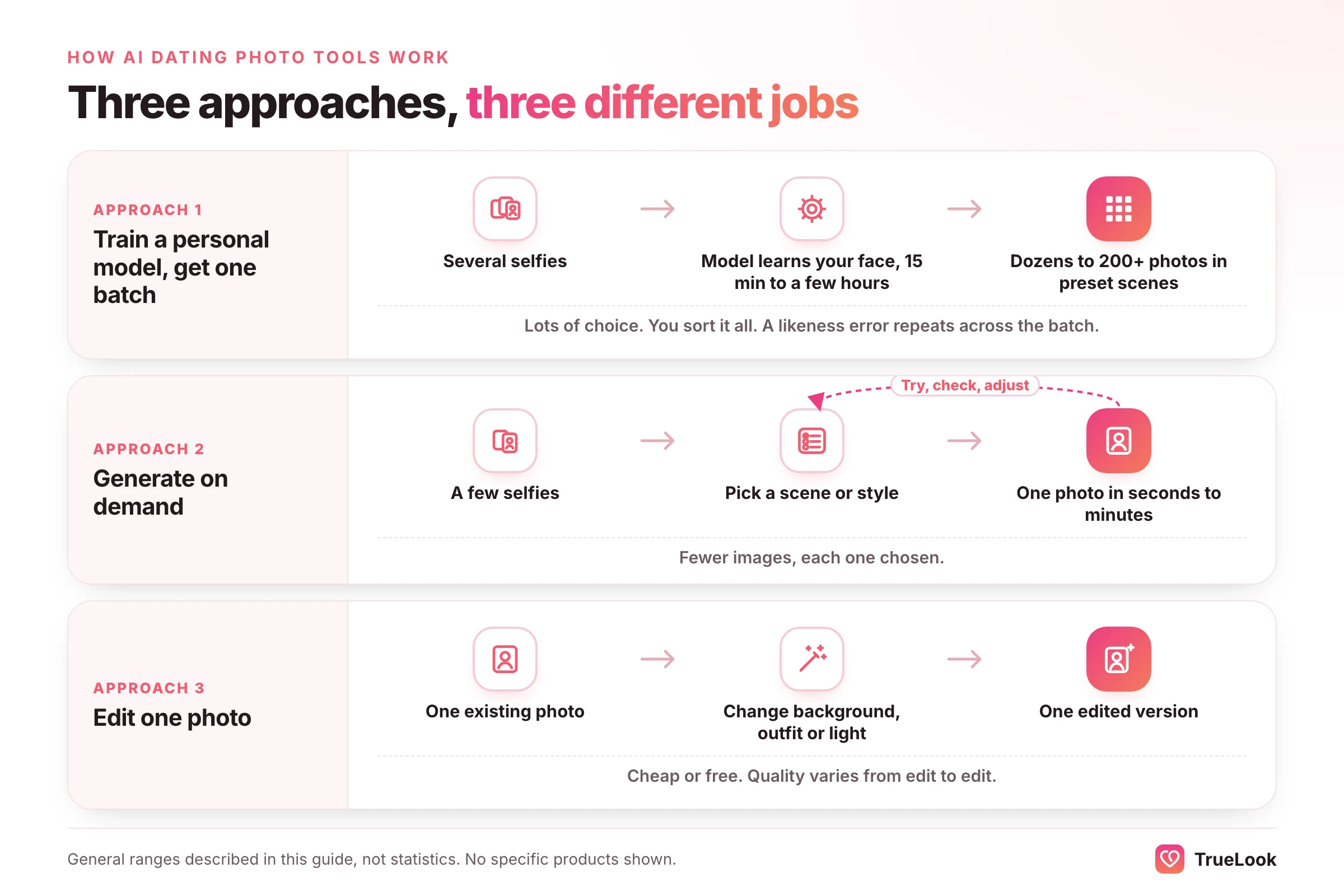
Under the marketing, nearly every product falls into one of three technical approaches. Knowing which one you are buying explains most of the differences in price, speed and results.
Approach 1: train a personal model, then deliver a batch
You upload a set of selfies, the service learns your face, and you receive a large folder of images across preset scenes, often after 15 minutes to a few hours. You get volume in one go, but you sort it all yourself, and if the model learned your face slightly wrong, the error repeats across the batch.
Approach 2: generate on demand from a few selfies
You upload a few selfies and create photos one at a time, picking a style or scene for each. Each image takes seconds to a couple of minutes, so you can try a scene, look at it and adjust.
Approach 3: edit a single existing photo
General chatbots with image tools and photo editors can change the background, outfit or lighting of one photo. It is cheap or free, but quality varies from image to image and the tool doesn't learn your face across a set.
| Approach | Typical inputs | What you get | Strengths | Watch out for |
|---|---|---|---|---|
| Personal model, one batch | Several selfies, sometimes 10 or more | Dozens to 200+ images across fixed scenes | Lots of choice at once; usually a one-time price | Long sorting time; a likeness error repeats across the batch |
| On-demand generation | A few selfies | Photos made one at a time in chosen styles | Control over each scene; quick to test and adjust | Fewer images per session; sold as subscriptions, credits or one-time packs, so check which |
| Single-photo editing | One photo per edit | An altered version of that photo | Cheap or free; keeps your real pose | Inconsistent quality; unclear data terms on some free tools |
Why AI dating photos became a category
Dating apps are a mainstream way to meet people. In Pew Research Center's 2023 survey, 53% of US adults under 30 said they had used a dating site or app, along with 37% of those aged 30 to 49. On those apps, photos do most of the early work, and many people simply don't have good, recent pictures of themselves.
AI help has spread quickly. Match's 2025 Singles in America study, run with the Kinsey Institute and covered by Global Dating Insights, found that 26% of US singles were using AI tools in their dating lives, a 333% rise in a year. The same coverage reported that 44% of singles consider it a dealbreaker when someone uses AI to alter their photos.
That tension defines the category. In October 2026, CBS MoneyWatch described women on dating apps screening out profiles with photos that look generated, and quoted a Boston University researcher who studies dating apps saying men are more likely than women to use AI on their profiles, partly because women tend to receive more matches and messages. The article also described a man whose Hinge account was banned after he posted a generated rooftop-at-sunset photo; he got the account back but removed the picture. In March 2026, Hinge's own AI dating guide told users to skip AI-generated profile photos because 88% of Hinge daters are uncomfortable with them, and to choose recent photos that truly represent them instead.
Demand for better photos is real, and so is the backlash against photos that look fake or flattering beyond recognition. The tools worth paying for produce output nobody would think to question.
What the research says about edited and generated faces
No peer-reviewed study has yet measured match rates for AI dating photos specifically, so be wary of anyone who quotes a precise uplift. There is, however, solid research on the questions that matter most when choosing a tool.
People already present slightly better versions of themselves
In a study of 54 online dating photos by Jeffrey Hancock and Catalina Toma, published in the Journal of Communication in 2009, the daters rated their own photos as fairly accurate, but independent judges rated roughly one in three as not accurate. Inaccurate photos tended to be older, retouched or professionally taken, with changes in hairstyle and skin. The authors describe a tension every dater feels: look as attractive as possible, but not so different that the first meeting feels like a bait and switch. AI tools make the first half of that tension very easy to overdo.
Enhancement can raise attractiveness and lower trust
A 2023 experiment in Computers in Human Behavior by Markus Appel and colleagues, summarized by PsyPost, showed 241 women Tinder-style profiles of men with and without beauty-filter edits. Edited photos made the men look more attractive but less trustworthy. Dating intentions still rose overall, but the trust penalty is the part that tends to surface later, when a match meets you or compares notes. A generator that smooths, slims or sharpens your face is applying a strong version of that filter.
Generated faces are hard to spot, which moves the risk elsewhere
Detection by eye is no longer reliable. In a 2022 PNAS study, Sophie Nightingale and Hany Farid found that faces synthesized by modern AI were indistinguishable from real faces for their participants and were rated as more trustworthy. A 2023 paper in Psychological Science by Elizabeth Miller and colleagues, "AI Hyperrealism", went further: White AI-generated faces were judged human more often than real human faces, and the people who made the most mistakes were the most confident in their judgments. So a convincing image is no longer the hard part. The real test of an AI dating photo is whether you match it when you walk into the bar.
You are not the best judge of your own photos
In "Choosing face: The curse of self in profile image selection" (2017, Cognitive Research: Principles and Implications), David White, Clare Sutherland and Amy Burton had 102 students choose profile pictures of themselves and compared those picks with choices made by strangers. Photos chosen by other people created more favorable impressions, especially of trustworthiness and competence. This matters with generators because you will often receive more photos than you can use. Ask a friend, or several, to help pick.
How to choose: the five-point buyer's check
Before you pay for any generator, run it through five questions. They are in order of importance, so a tool that fails an early one isn't worth rescuing with a good score on a later one.
1. Likeness: is every result unmistakably you?
Check jawline, nose, eye shape, hairline, skin tone, teeth, build and height cues. Look for small upgrades that add up: a sharper jaw, thicker hair, fewer lines, a slimmer face. A useful standard is "you on a good day, photographed by a friend who knows your angles". If a result makes you look like your more photogenic cousin, delete it, however good it looks.
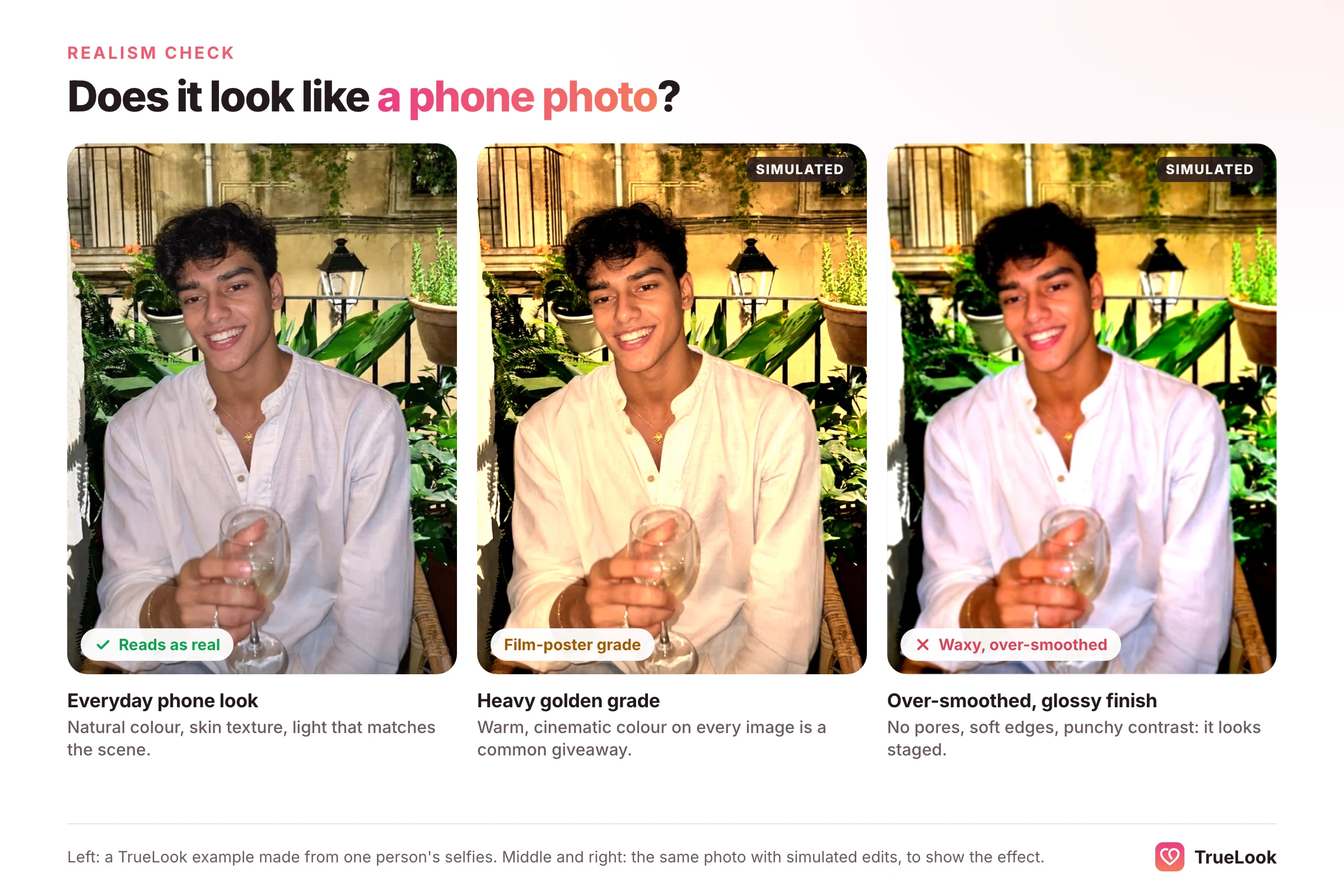
2. Realism: does it look like a phone photo?
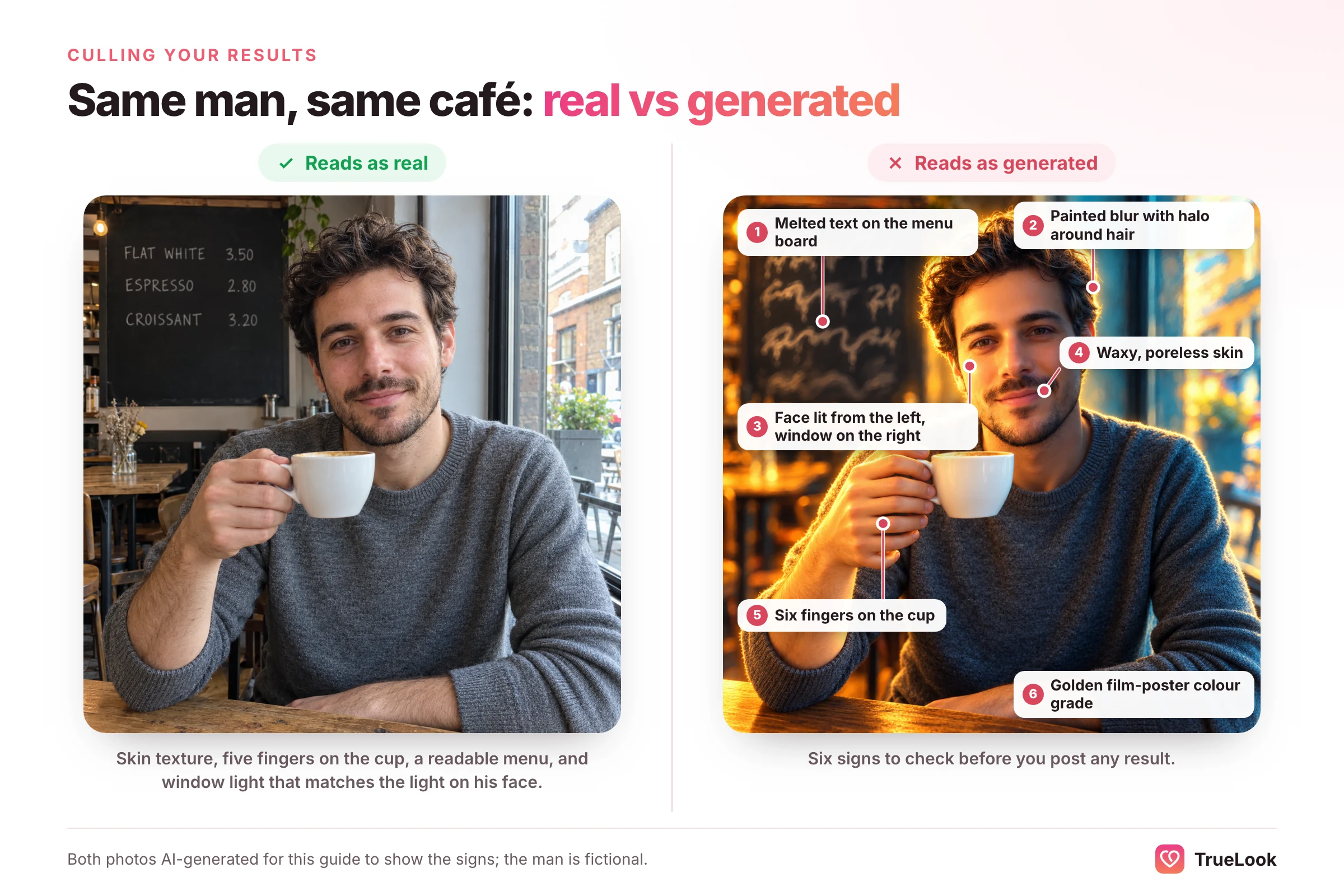
Dating photos read as authentic when they look like something a friend took. Common giveaways in generated images include:
- skin that is perfectly even, with no pores or texture;
- background blur that looks painted, with halos around hair;
- a warm, cinematic colour grade on every image, like a film poster;
- hands with the wrong number of fingers, or fingers merging into objects;
- signs, menus and logos with melted or nonsense text;
- light on your face coming from a different direction than light in the scene;
- clothing that changes texture or merges with the background.
3. Range: does it cover the photos your profile is missing?
Most profiles need a clear close-up, a full-length shot, something outdoors or active, a dressed-up or evening look, and a photo that hints at your interests. Check whether the tool lets you choose scenes, write your own, or only receive a fixed set. Also check whether the scenes match your real life; a sailing photo invites sailing questions.
4. Privacy: what happens to your face?
Look for three answers on the vendor's site: whether customer photos are used to train its models, how long uploads and trained models are kept, and how you delete them. The stakes are real. In 2021 the US Federal Trade Commission finalized an order against the photo app Everalbum, which it said had applied facial recognition to users' photos by default and kept photos of deactivated users despite promising to delete them. The order required the company to delete the models and algorithms it built from those uploads. A vague or missing privacy page is an answer in itself.
5. Cost: what will each usable photo cost you?
Headline prices compare badly because tools deliver different numbers of images with different keep rates. Work out the cost per photo you will actually post.
Worked example (illustrative numbers, not test results): a one-time batch costs $49 for 120 images, and you keep 8 that pass the likeness and realism checks. That is about $6.13 per photo you use. A one-time pack costs $29, you generate 25 photos scene by scene and keep 12, which is about $2.42 per photo. Reverse the keep rates and the answer flips. The point is to count keepers, not deliverables.
| If this describes you | Look for | Why |
|---|---|---|
| You want one refresh and never want to think about it again | A one-time batch or pack from a dating-focused tool | No subscription to cancel; a batch gives plenty of choice in one delivery, a pack lets you pick each scene |
| You plan to test photos and swap them every few weeks | On-demand generation, from a pack, credits or a subscription | You can add scenes as you learn what works |
| You know exactly the scenes you want | A tool that accepts your own prompts or reference photos | Preset libraries may not include your real hobbies |
| You also need a LinkedIn headshot | A headshot generator, plus a dating tool for casual scenes | Corporate styling looks stiff on a dating card |
| You are anxious about your data | A vendor that states it does not train on your photos and gives a deletion period | These are the two answers that matter most |
| You have good photos but they are dull or poorly lit | Better photos taken by a friend, or a light single-photo edit | You may not need generation at all |
AI dating photo generators compared
The figures below are what each company's site listed when we checked on 2 November 2026. Prices change often, and some vendors run promotions, so confirm on the pricing page before buying. "Stated turnaround" is the vendor's own claim.
| Tool | Built for | Pricing model | Listed price | Listed output | Stated turnaround |
|---|---|---|---|---|---|
| TrueLook | Dating profiles on Tinder, Hinge and Bumble | One-time, no subscription | $29 (Fix Pack) or $49 (Pro Pack) | Up to 30 or 140 photos; 43 styles on both packs, 4 shots per style | About a minute per photo |
| DatePhotos.AI | Dating photos in one batch | One-time | $29, $49 or $79 | 80 to 180 photos across 40+ scenes | 20 to 30 minutes |
| Fotto.ai | Dating and other profile photos | One-time packs, credits never expire | €27.59 or €45.99 | 40 or 80 photos; 25 dating styles | 30 to 90 seconds per photo |
| DatingShoot | Dating photos, mainly for men | One-time | $69 | 200+ photos plus 50 custom photo credits | About 2 hours on average |
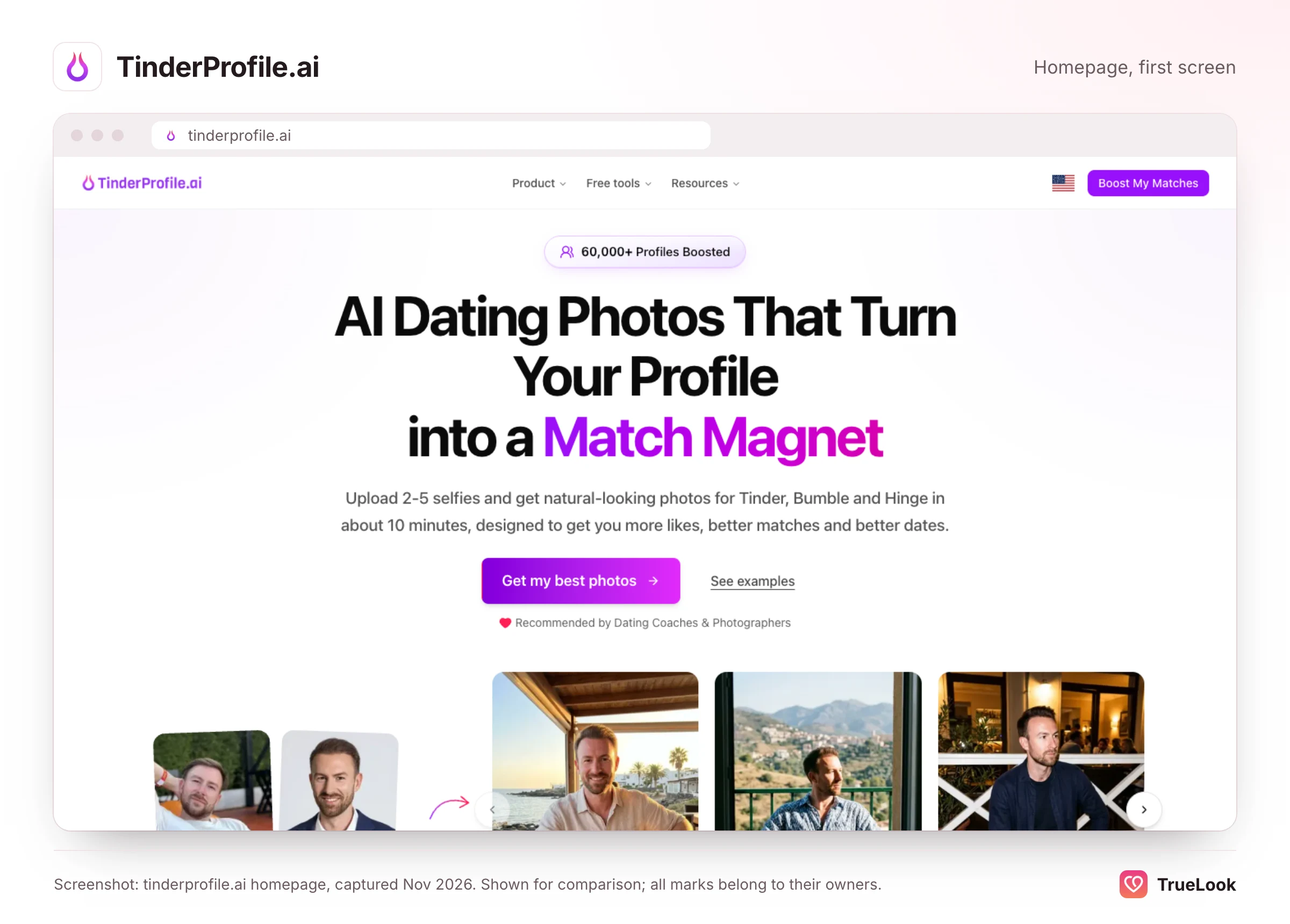
| TinderProfile.ai | Dating photos from scene packs or your own prompts | Packages | From $14 | 20 to 100 photos depending on package | About 10 minutes |
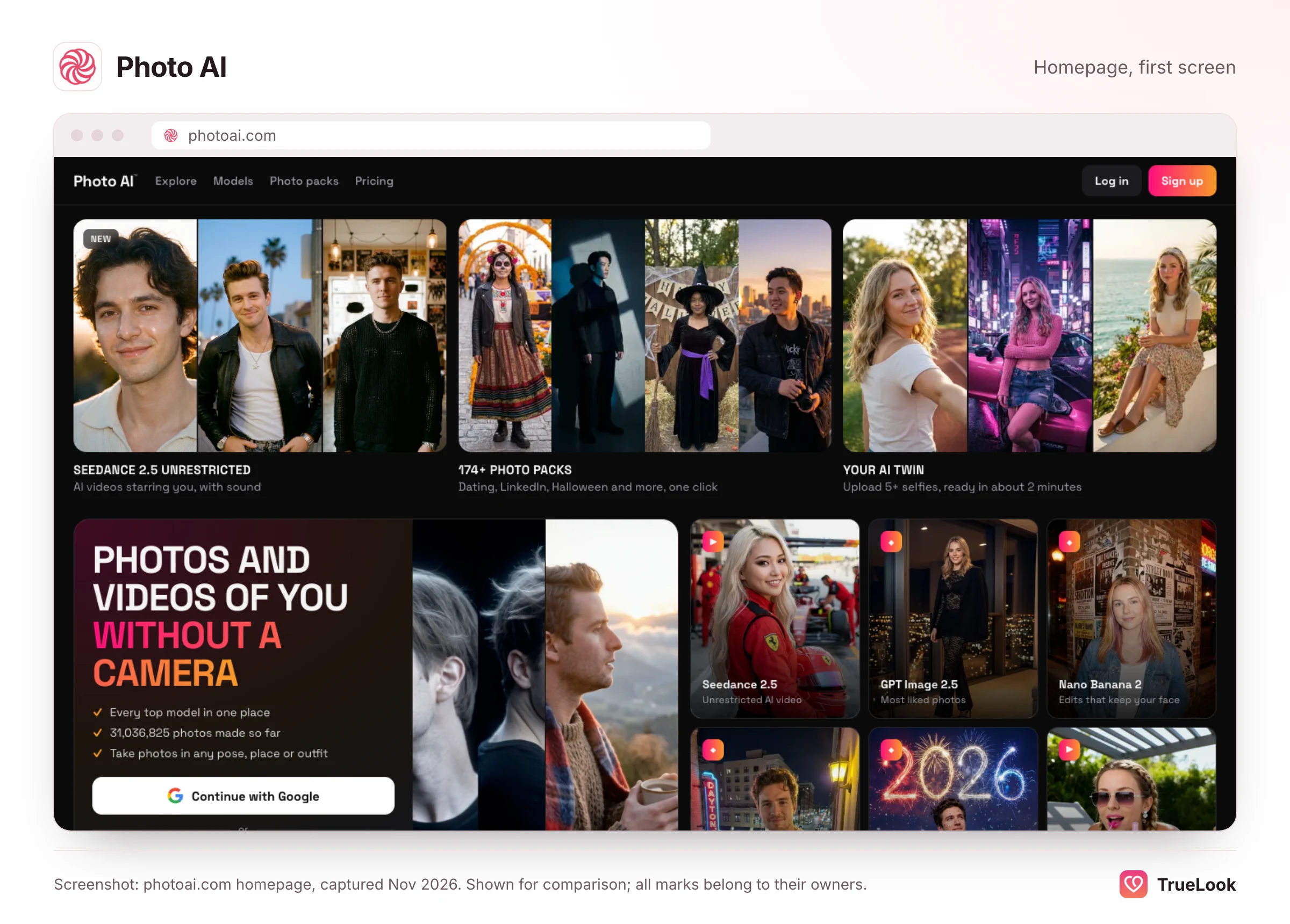
| Photo AI | General AI photos, with dating packs | Monthly or yearly subscription, credit-based | From $19 a month billed monthly, or $9 a month billed yearly | Credits; a 30-photo AI Dating pack plus Hinge and Bumble packs | About 2 minutes to set up your model |
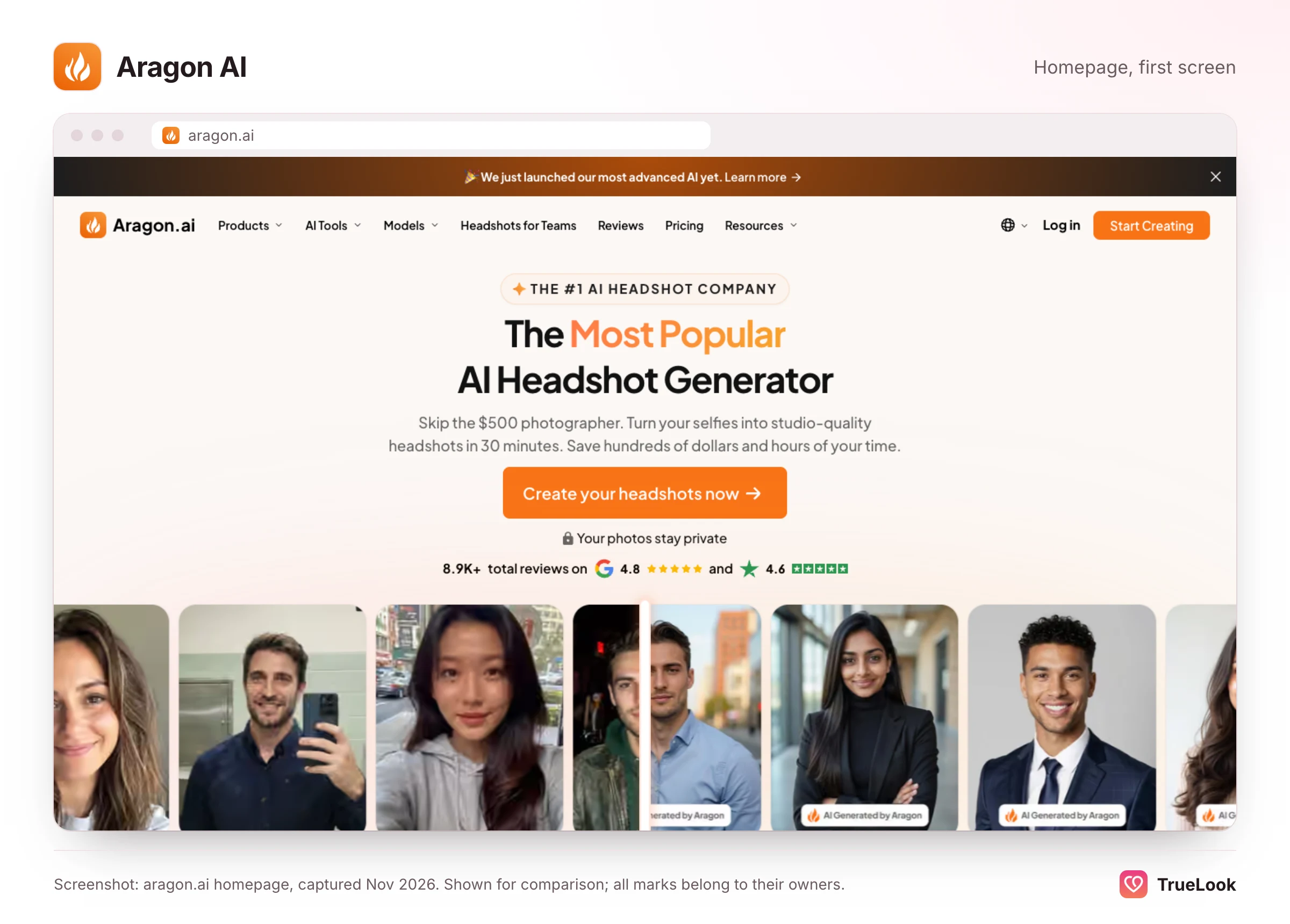
| Aragon AI | Professional headshots, with a dating page | Packages | $35, $45 or $75 | 40, 60 or 100 headshots | 45, 30 or 15 minutes by package |
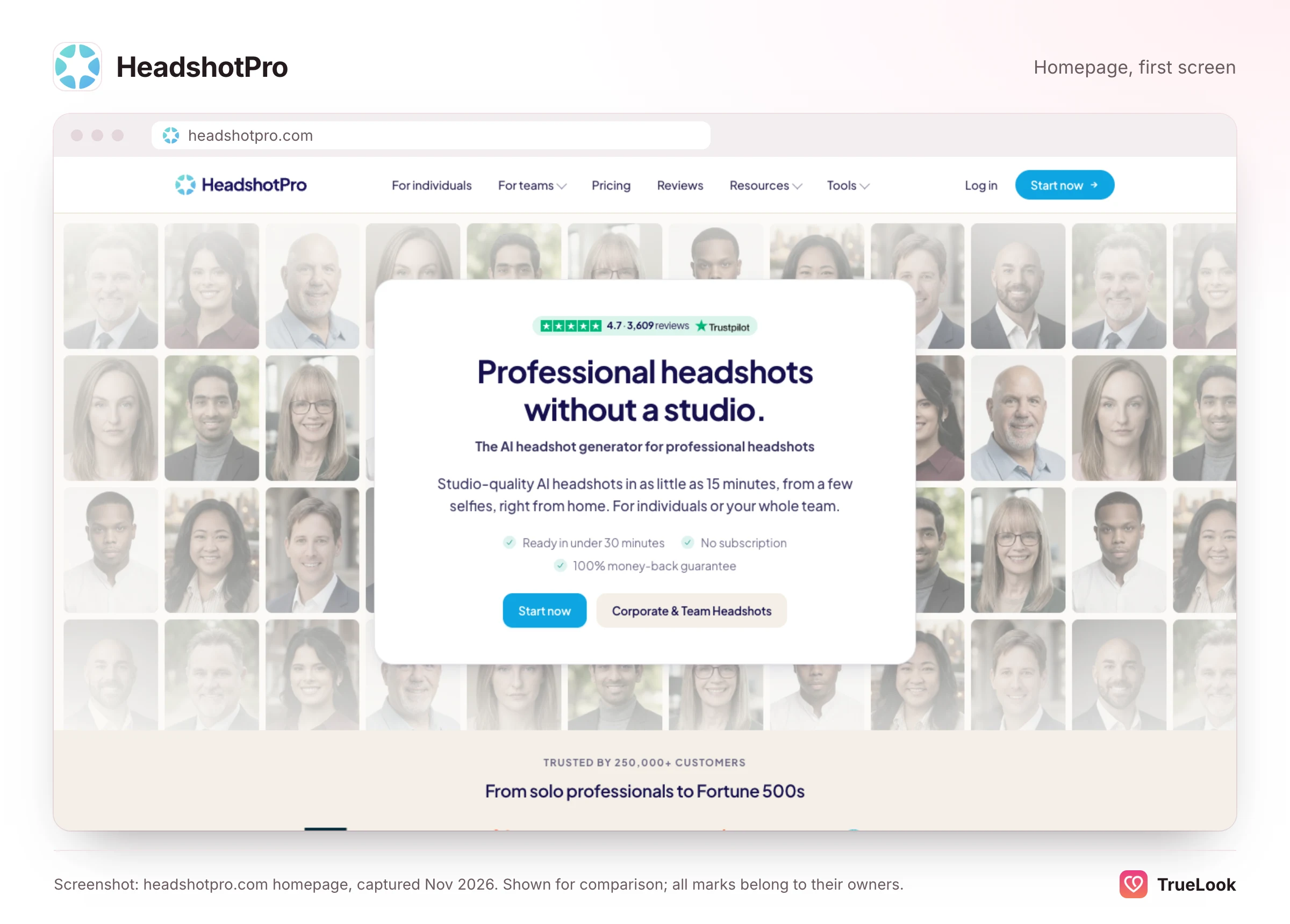
| HeadshotPro | Corporate headshots | One-time | $29 to $59 | 30 to 70 headshots | Generally under 30 minutes |
Which tool fits which need
These pairings follow from each product's own stated features and pricing model. They are not test results, and any tool can produce a photo that doesn't look like you, so the five-point check still applies.
| Best for | Consider | Reason, from the vendor's stated features |
|---|---|---|
| Choosing each scene yourself and paying once | TrueLook | One-time packs generated photo by photo, about a minute per photo, 43 styles |
| One large batch at a single price | DatePhotos.AI or DatingShoot | 80 to 180 photos, or 200+ photos, from a one-time purchase |
| Paying once without a deadline to use your credits | Fotto.ai | One-time packs whose credits, it says, never expire |
| Writing your own scene descriptions | TinderProfile.ai | Custom text prompts alongside scene packs |
| Dating photos plus lots of other AI content | Photo AI | General platform with dating, Hinge and Bumble packs |
| A LinkedIn headshot first, dating second | Aragon AI or HeadshotPro | Built around professional headshots |
Dating-specific generators
TrueLook
TrueLook makes AI dating photos from four of your own selfies using its HyperReal™ method, which aims for the look of an everyday phone photo rather than a studio portrait. The Fix Pack is $29, paid once, for up to 30 photos; the Pro Pack is $49, paid once, for up to 140 photos. Both packs include all 43 styles, and each style gives you 4 different shots. Each photo takes about a minute, so you can try a scene, judge it and move on. Uploaded photos are never used for AI training, and there is a 14-day refund under the conditions on its refund page. There is no subscription: you generate photo by photo until your pack's photos are used, and buy another pack or a one-time top-up if you need more. That works out at about $0.97 a photo on the Fix Pack and $0.35 on the Pro Pack. Someone who wants the largest possible set in a single delivery, and is happy to sort through it, may still prefer a batch tool.
DatePhotos.AI
At the time of writing, DatePhotos.AI's site lists three one-time plans at $29, $49 and $79, delivering between 80 and 180 photos in 20 to 30 minutes. The $49 plan is described as 120 photos across 35 scenes with four poses per scene, a shortlist of its top 30 picks and 10 free regenerations. It offers a 7-day money-back guarantee on a first order under its refund policy. Its homepage says uploads are used to create your photo set and are not shown to other users; we did not find a statement there on whether uploads train its models. It suits people who want a large set in one go and are happy to choose from preset scenes. See TrueLook vs DatePhotos.AI.
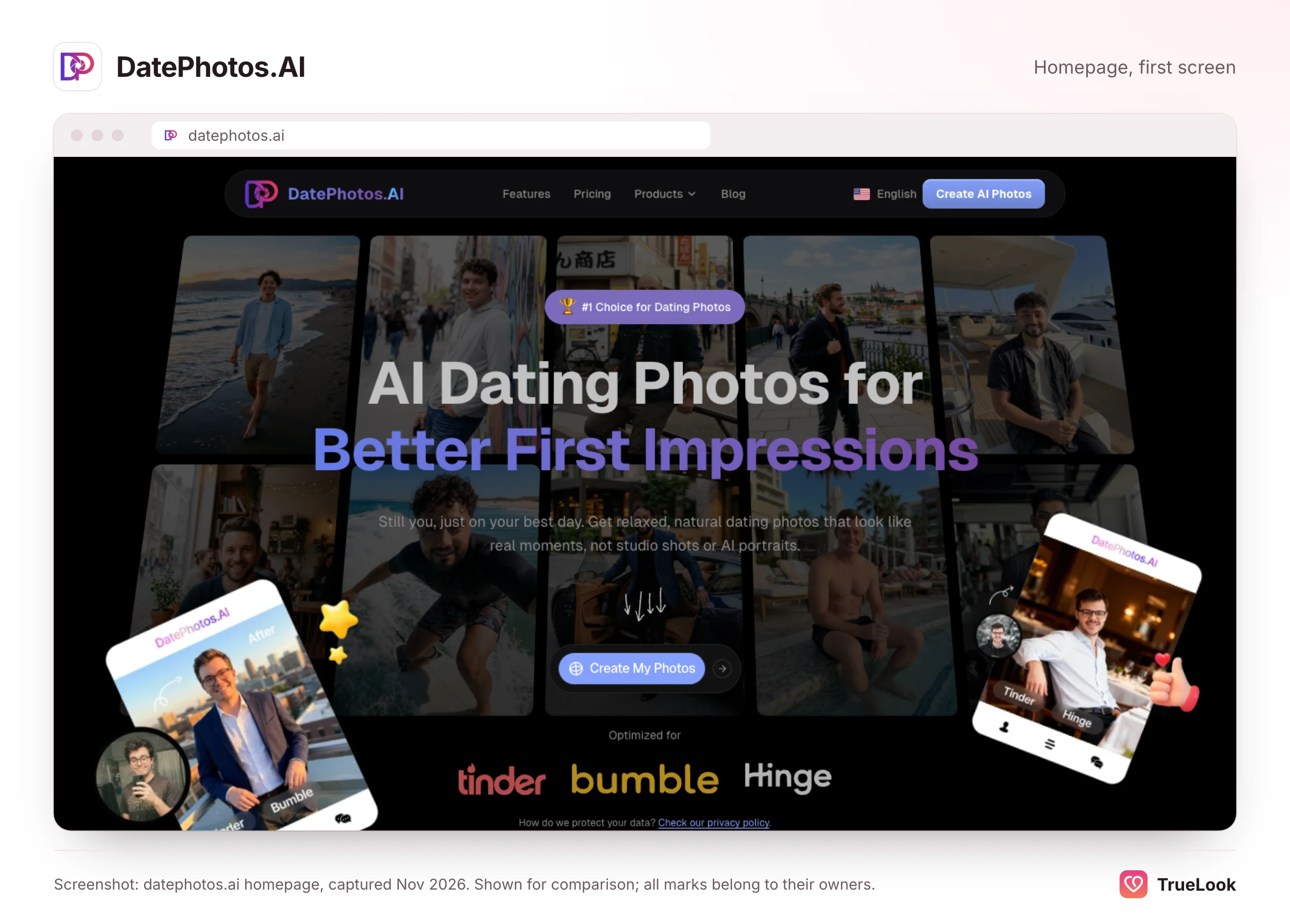
Fotto.ai
Fotto.ai sells one-time packs: at the time of writing, €27.59 for 40 photos and €45.99 for 80, with 25 dating styles, 30 to 90 seconds per photo, and credits that its site says never expire. A first purchase may qualify for a refund within seven days if no generated photo has been downloaded. Its site says uploaded photos are deleted automatically after a short period without stating the exact period. See TrueLook vs Fotto.ai.
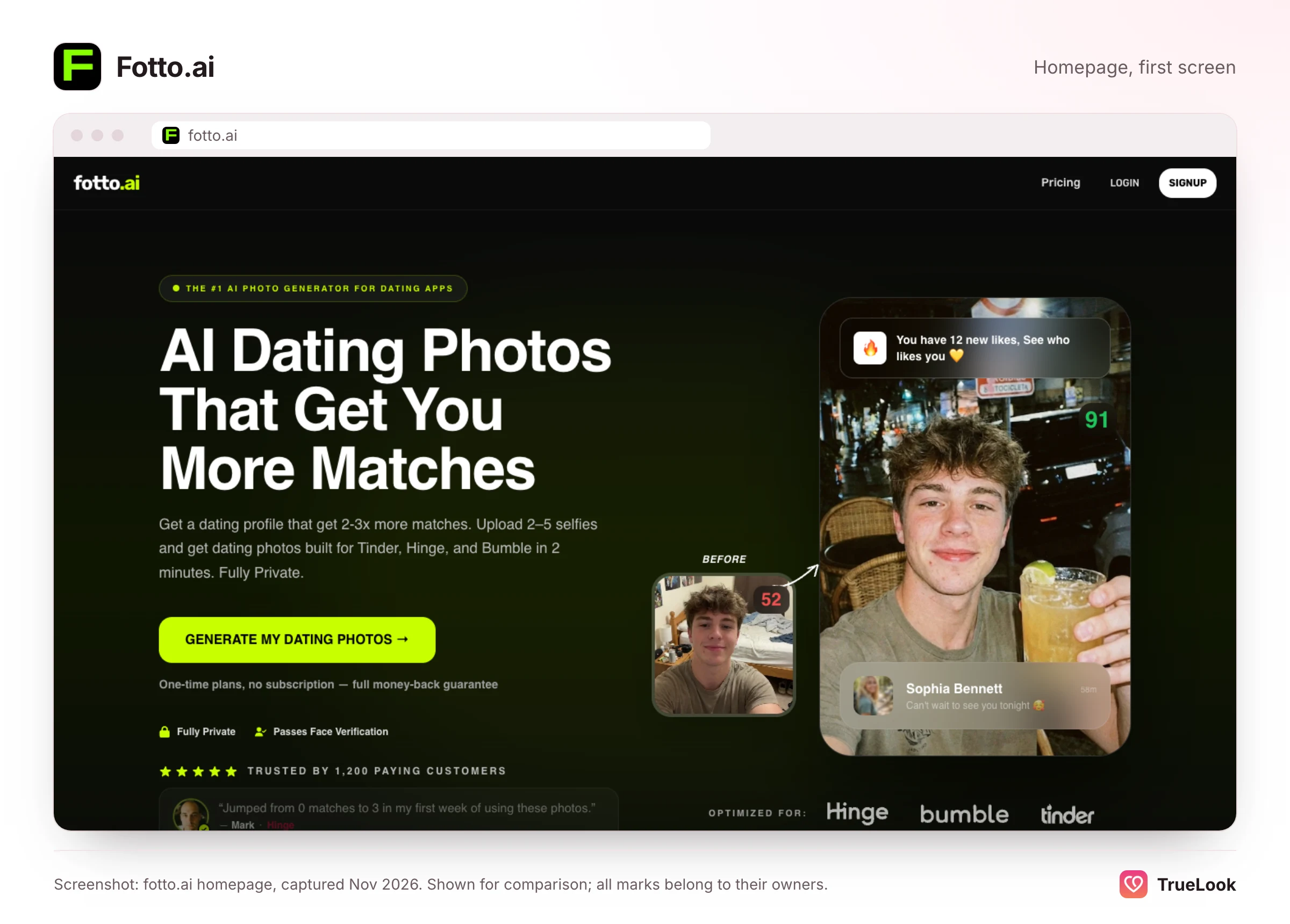
DatingShoot
DatingShoot sells one large photoshoot. At the time of writing, its site lists $69 for more than 200 photos plus 50 custom photo credits for edits, with same-day delivery and an average turnaround of about two hours. It is aimed mainly at men, though women can buy too. Refunds are available any time before model training starts, and the site says your photos can only be accessed by you and are never shared with third parties. Details are on TrueLook vs DatingShoot.
TinderProfile.ai
TinderProfile.ai works from two to five everyday photos and lets you choose curated scene packs or write your own text prompts. At the time of writing, its site lists dating photo packages from $14 for 20 to 100 photos, editing of the results, delivery in about 10 minutes and a money-back guarantee. Its site says uploaded photos are used only to create your AI photos, are kept for up to 12 months after you last use a photoshoot, and are deleted within 48 hours if you delete your account. Prompts give freedom but put the job of describing a good dating photo on you. Compare on TrueLook vs TinderProfile.ai.
General photo and headshot tools with a dating option
These are capable image generators, but dating is one category among several, so their default styling often leans towards office headshots or social content. That suits a dressed-up photo more than a lead photo.
Photo AI
Photo AI is a general-purpose generator that, at the time of writing, lists an AI Dating pack of 30 photos alongside separate Bumble and Hinge packs, plus LinkedIn and seasonal packs. Its pricing page lists a Starter plan at $19 a month on monthly billing (or $9 a month billed yearly) and higher tiers up to $199 a month, all priced in AI credits rather than photos. It says your personal model is ready in about two minutes after uploading five or more selfies. Its homepage did not say whether user photos train its models. See TrueLook vs Photo AI.
Aragon AI
Aragon AI is built around LinkedIn, résumé and team headshots and has a separate dating photos page. At the time of writing, its individual headshot packages are $35 for 40 headshots, $45 for 60 and $75 for 100, with stated generation times of 45, 30 and 15 minutes. It offers a full refund if you have not downloaded your photos. See TrueLook vs Aragon AI.
HeadshotPro
HeadshotPro targets corporate headshots and its homepage does not mention dating. At the time of writing it lists one-time packages from $29 for 30 headshots to $59 for 70 with 4K upscaling, generally delivered in under 30 minutes. It is one of the clearer vendors on privacy: its site says inputs are never used to train models and are deleted automatically 30 days after generation. See TrueLook vs HeadshotPro.
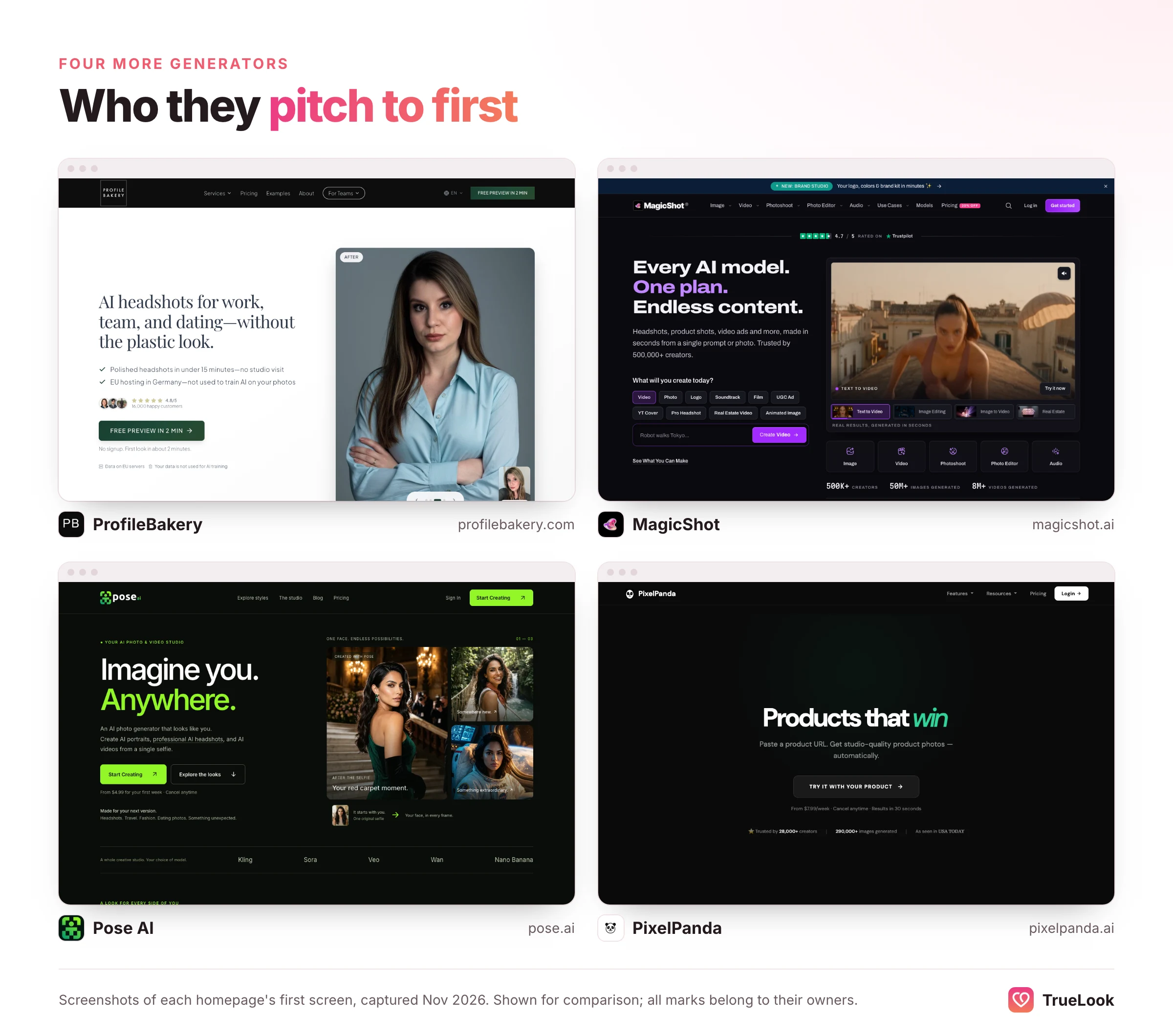
ProfileBakery, MagicShot, Pose AI and PixelPanda
- ProfileBakery bundles dating photos with CV and LinkedIn shots and sells per photo or in bundles. Its site was not reachable when we checked, so confirm current prices there. TrueLook vs ProfileBakery.
- MagicShot is a suite of AI image, video and editing tools. At the time of writing its plans run from $9 to $35 a month, with credits shared across all tools; dating photos appear as one use of its AI photoshoot feature. TrueLook vs MagicShot.
- Pose AI is a mobile photo and video studio sold through in-app subscriptions, including a $14.99 weekly plan at the time of writing, with dating app photos as one style pack among many. TrueLook vs Pose AI.
- PixelPanda now presents itself mainly as an AI product-photo and ad-video platform, with plans from $7.99 a week to $39 a month; its homepage did not mention dating photos when we checked. TrueLook vs PixelPanda.
Coaching suites, messaging assistants and enhancers
Several products that appear in searches for AI dating photos do a different job, and it is worth knowing which before you spend money.
- Roast Dating is primarily a profile review service, with an AI photo pack sold alongside its reviews. TrueLook vs Roast Dating.
- Ablaze describes itself as an AI dating coach covering profile analysis, bio and prompt writing, message help and a photo generator. TrueLook vs Ablaze Dating.
- YourMove AI writes openers, replies and bios and reviews profiles. It helps once you have matches; it does not replace a photo tool. See TrueLook vs YourMove AI and our YourMove AI review.
- Face26 is mainly a photo enhancer and upscaler: it improves photos you already have rather than placing you in new scenes. Our Face26 review covers what it does well.
Free tools and general chatbots
Searches for free AI dating photos usually lead to two things: general chatbots that can edit images, and free avatar or filter apps. Both can be useful, within limits.
They are good at rescuing a decent photo (brightening it, removing a cluttered background) and at trying an idea cheaply, and because they start from a real photo they keep your pose and expression. For dating they have four weaknesses:
- Each image is a fresh attempt, so your face can shift slightly from one edit to the next, which shows when the photos sit side by side on a profile.
- Many default to a cinematic, over-lit look that reads as generated.
- Terms for how uploaded images are stored or used vary widely; read them before uploading your face.
- Avatar apps produce stylized or painterly results that clearly aren't photos.

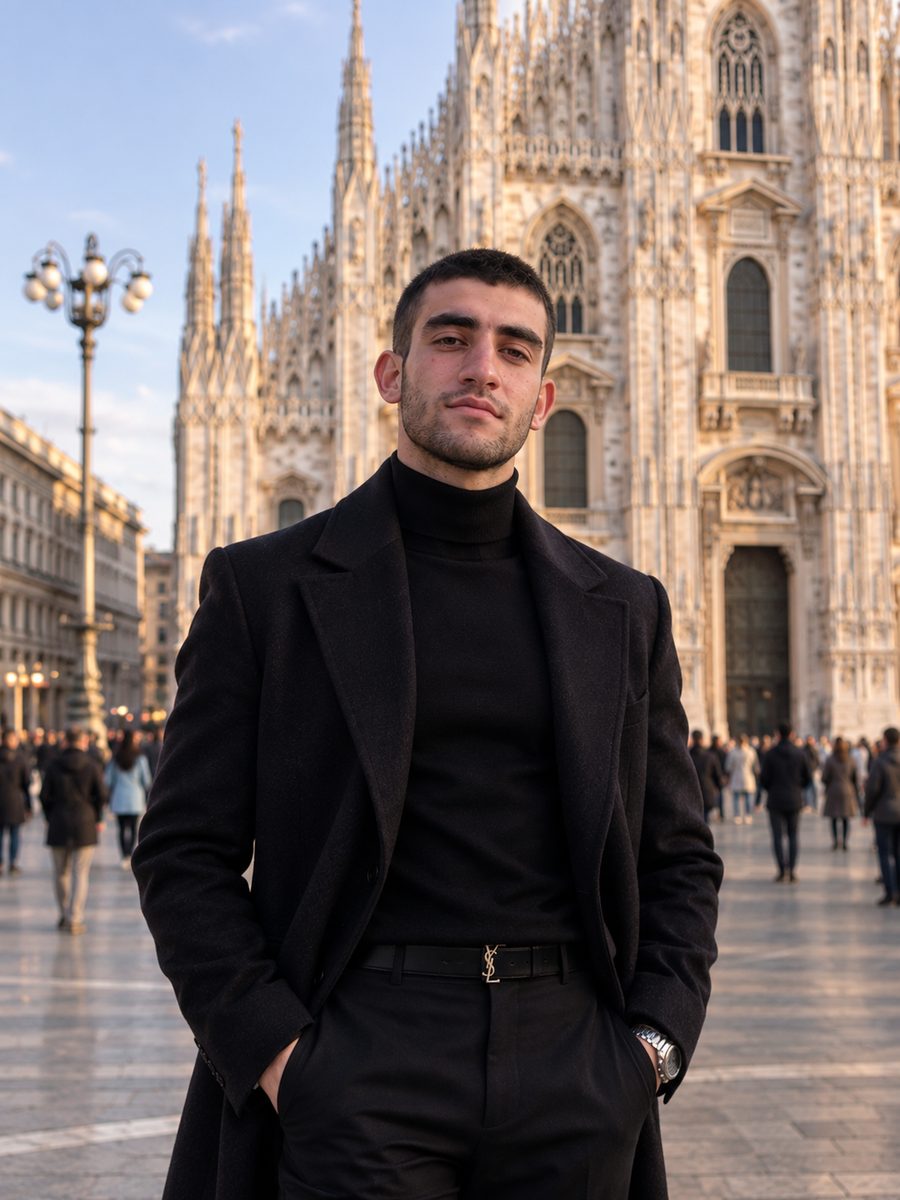
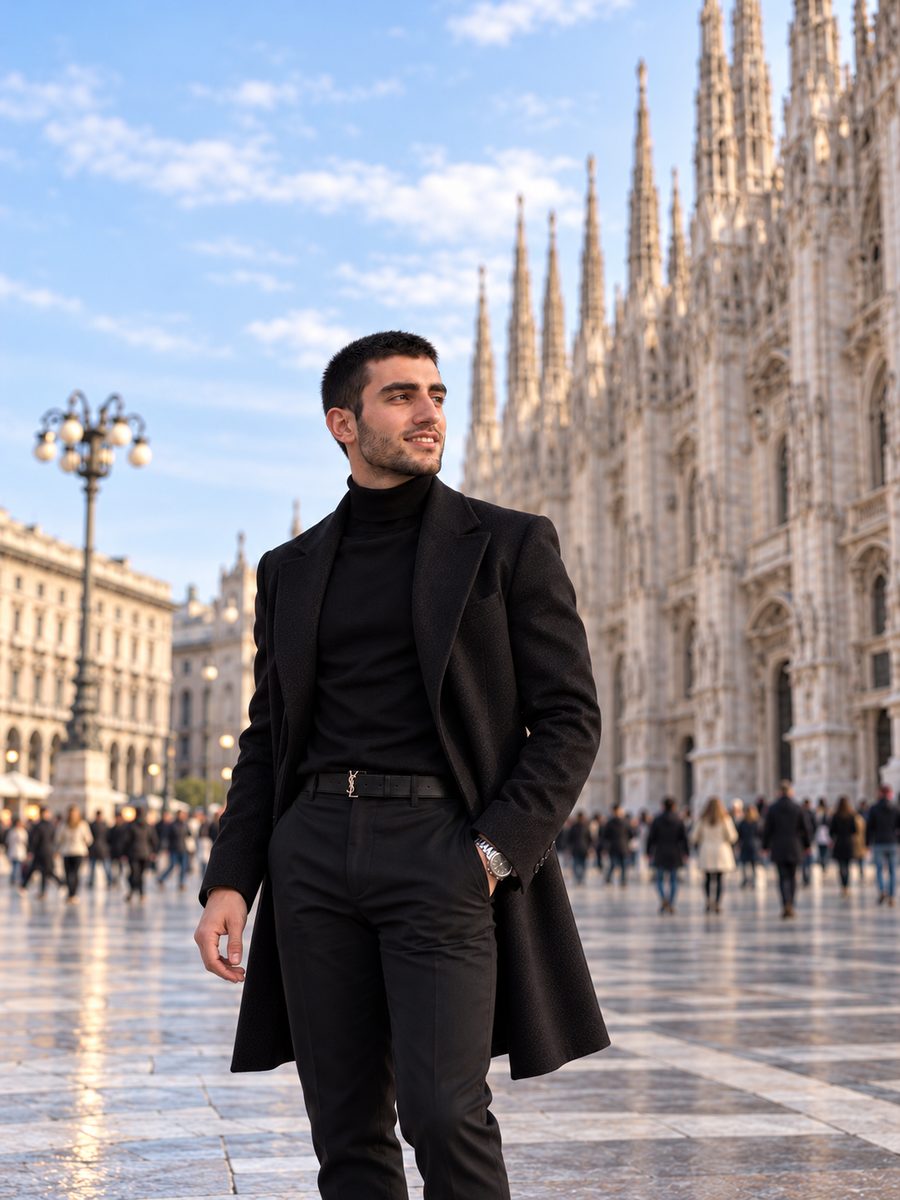
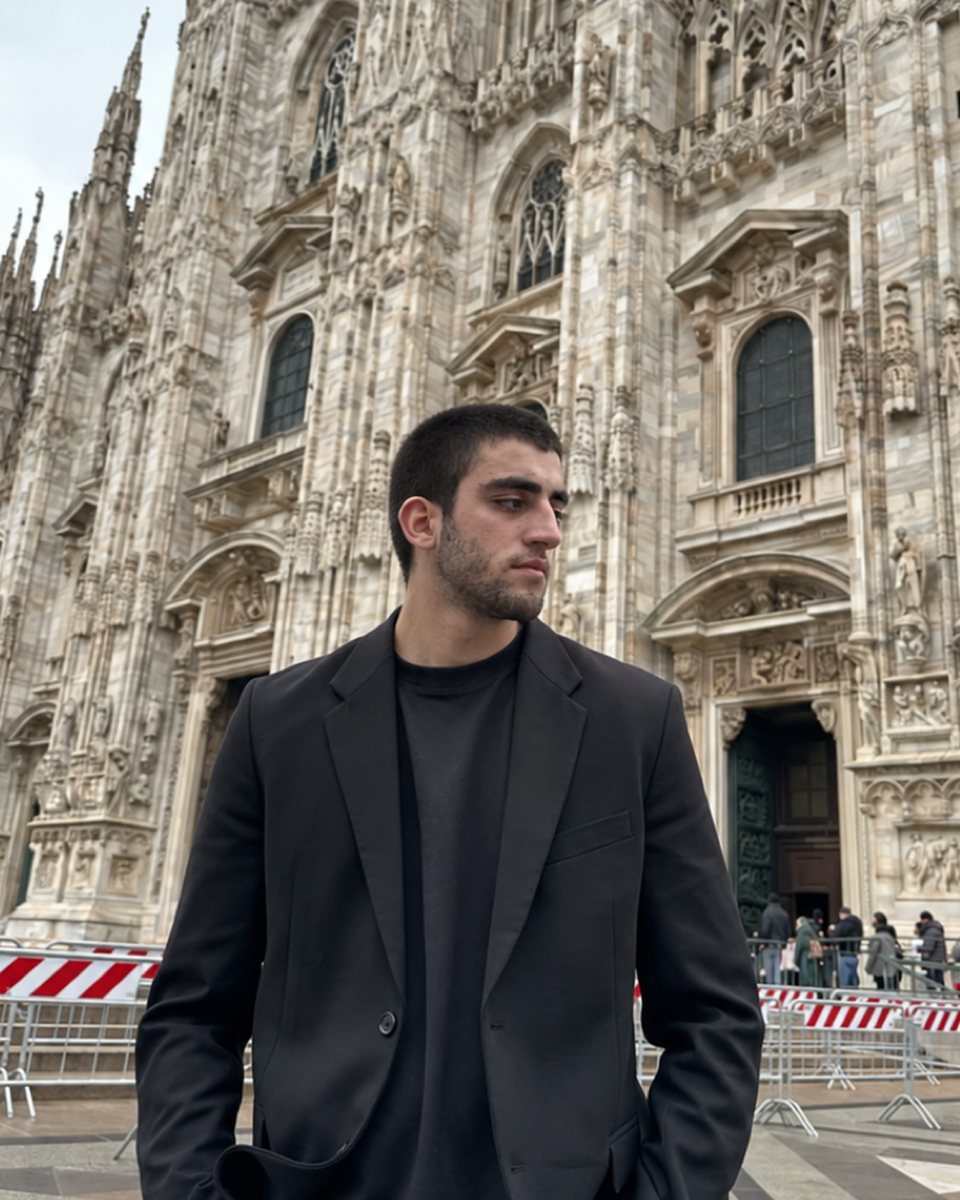
A simple rule for any free tool: test it on one photo, read its privacy policy, and judge the result by a single question. Would someone recognize you from it across a coffee shop?
What vendors say about your photos
Privacy statements differ more than prices. Here is what each vendor's own site said on the pages we checked. "Not stated" means we did not find the statement on the pages we reviewed, not that the company does the opposite; check the full privacy policy before uploading.
| Tool | Training on your photos | Retention and deletion, as stated |
|---|---|---|
| TrueLook | Never used for AI training | See its privacy page |
| HeadshotPro | Says inputs are never used to train models | Inputs deleted 30 days after generation |
| TinderProfile.ai | Says uploads are never used for marketing and are used only to create your photos | Kept up to 12 months after last use; deleted within 48 hours of account deletion |
| Fotto.ai | Not stated on the homepage | Uploads deleted automatically after a short period; period not given |
| DatingShoot | Not stated on the homepage | Photos accessible only to you; never shared with third parties; account deletion in settings |
| DatePhotos.AI | Not stated on the homepage | Uploads used to create your set and not shown to other users |
| Aragon AI and Photo AI | Not stated on the pages we checked | See their privacy policies |
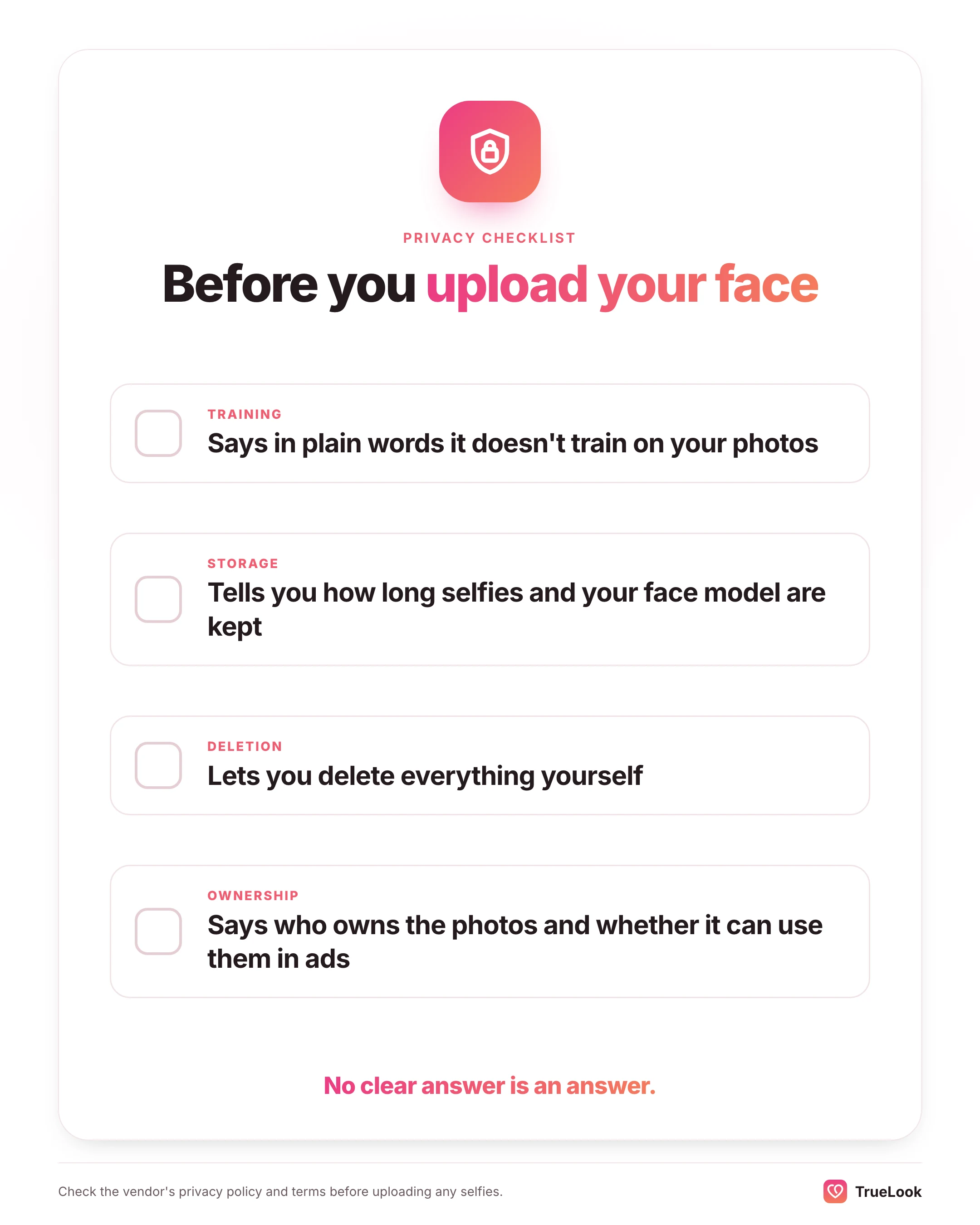
Four privacy questions to answer before uploading
- Does the company say, in plain words, that it does not use your photos to train its models?
- How long are your selfies kept, and is the trained model of your face deleted too?
- Can you delete everything yourself, or do you have to email and wait?
- Who owns the generated photos, and can the company use them in its own marketing?
Are AI dating photos allowed on Tinder, Hinge and Bumble?
None of the three big apps publishes a simple yes or no on generated photos. What they all share is a rule against pretending to be someone you're not, and each is investing in checks that compare your photos with your face. Our full explainer, are AI photos allowed on dating apps, goes deeper; here is the short version.
| App | What its rules say | How it checks |
|---|---|---|
| Tinder | Its community guidelines tell members not to create a fake account or pretend to be someone they're not | Face Check, a video selfie compared with your profile photos, now required for new users in many regions |
| Hinge | Its terms, as reported by Dazed, ask for at least one photo that isn't AI-generated or heavily altered; it told CBS that generative AI content should not be used to misrepresent yourself or your intentions | Automated tools and human reviewers, according to its statement to CBS |
| Bumble | Its community guidelines ban impersonation and misrepresentation and digital effects so strong that it can't be clearly determined you are the person shown; at least one photo must show only you with your full face visible | AI detection, human moderation and member reports, according to CBS |
Verification is where likeness stops being a matter of taste. Match Group announced in October 2025 that Tinder's Face Check, which asks new members for a short video selfie, confirms that the person is real and that their face matches their profile photos, and flags the same face across multiple accounts. It was mandatory for new users in seven countries and California at the time, with more US states and other Match Group apps to follow. The app makes the decision, not the generator, so no tool can guarantee you pass. If a check has already gone wrong, see what to do when Tinder photo verification fails.
From selfies to profile: a step-by-step plan
The same process works with almost any generator. It takes an afternoon, most of it spent choosing.
Step 1: take selfies that teach the tool your real face
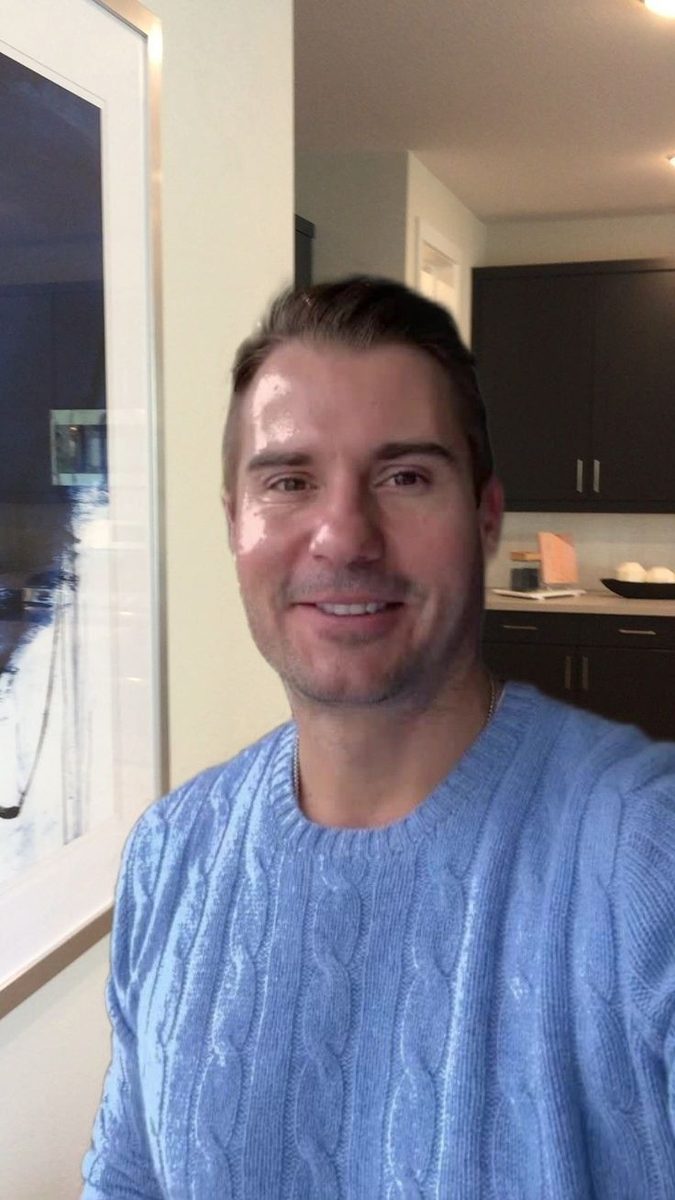
Generators can only learn what you show them, and close-range phone selfies distort faces. A modeling study by Rutgers and Stanford researchers in JAMA Facial Plastic Surgery, summarized by Rutgers, estimated that a photo taken about 12 inches from the face makes the nasal base look roughly 30% wider than one taken at 5 feet. So:
- hold the phone at full arm's length, or use the rear camera with a timer or a friend;
- face a window in daylight, avoiding overhead lights that cast shadows under the eyes;
- take shots straight on and slightly turned to each side, with a relaxed smile and a neutral expression;
- remove sunglasses, hats and filters, and make sure your whole face and hairline are in frame;
- use recent photos that match your current hair, beard and weight.
Step 2: plan the lineup before you generate
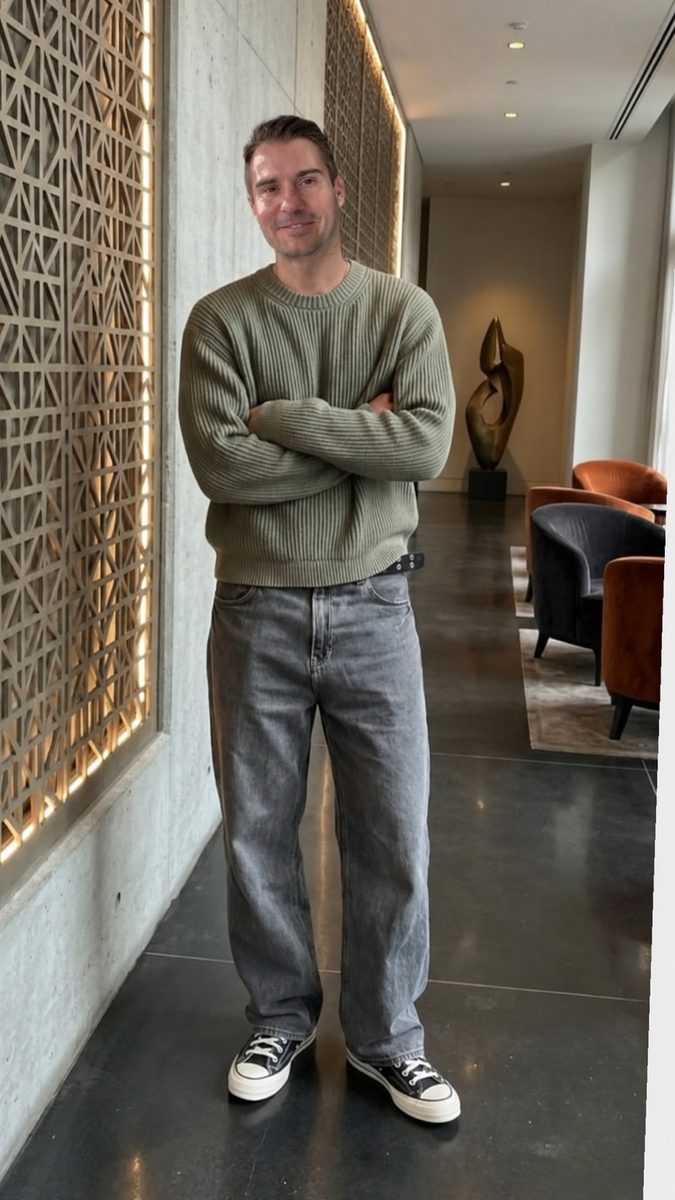
Decide which slots you need: a clear close-up to lead, a full-length shot, an outdoor or activity photo, a dressed-up or evening look, and one or two that show real interests. Generating against a plan wastes fewer credits than generating everything and hoping.
Step 3: cull with the likeness and realism checks
Go through every result at full size. Delete anything with altered features, odd hands, nonsense text or mismatched lighting. Then delete near-duplicates; two photos in the same outfit and pose waste a slot.
Step 4: get outside opinions
Show your shortlist to two or three friends and ask which look most like you; strangers and friends tend to choose better than we do for ourselves.
Step 5: mix in at least one real photo
A recent, unedited photo, even a simple one, anchors the profile and satisfies Hinge's one-real-photo rule.
Step 6: order, verify and review
Lead with the clearest close-up and put the full-length shot second. Complete any verification the app asks for in good light, looking the way you do in your photos. After a couple of weeks, swap the weakest photo and see what changes. App-specific advice is in our guides to the best AI photo generator for Tinder, the best AI photo generator for Hinge and the best AI photo generator for Bumble.
Common mistakes and how to fix them
| Mistake | Why it hurts | Fix |
|---|---|---|
| Picking the most flattering result rather than the most accurate | Research links enhancement with lower trust, and the gap shows on the first date | Choose the version a close friend would call "exactly you" |
| Using only generated photos | Breaks Hinge's terms and makes a profile feel staged | Keep at least one recent real photo |
| Scenes you couldn't talk about | Invites questions you can't answer | Stick to places and activities from your life |
| Every photo in the same golden-hour grade | Uniform, cinematic colour is a common sign of generation | Mix lighting: daylight, indoor, evening |
| Uploading old or filtered selfies | The tool learns a face you no longer have | Take new, unfiltered selfies at arm's length or further |
| Buying the biggest batch by default | More images to sort, not necessarily more keepers | Estimate cost per photo you will post |
| Skipping the privacy page | Your face may be kept or reused longer than you expect | Answer the four privacy questions first |
Myths and facts about AI dating photos
| Myth | Fact |
|---|---|
| People can always tell a photo is AI. | Studies in PNAS and Psychological Science found people often can't, and the least accurate judges are the most confident. What people notice is a mismatch with the real person. |
| More photos means better results. | A batch is only as good as the handful you keep. Profiles need five or six strong, varied photos, not 150. |
| A generator can guarantee you pass verification. | Each app runs its own checks and makes its own decisions. Accurate likeness is the only input you control. |
| A photographer is always better. | A good photographer gives you real photos and coaching, at a higher price and with scheduling. Our dating photographer vs AI comparison lays out when each makes sense. |
What AI photos can't do
Better photos fix one problem: being skipped before anyone reads your profile. They don't fix a profile with nothing to respond to, poor messaging, unrealistic filters on who you swipe on, or a location with few active users. Pew's 2023 survey found that 46% of US online daters described their experience as negative, and that 52% said they had come across someone they believed was trying to scam them, which helps explain why many daters are suspicious of anything that looks too perfect.
Limits of this guide: prices change monthly, the privacy table reflects only the pages we read, and the "best for" pairings follow from each product's stated design, not from tests.
Frequently asked questions
What is the best AI dating photo generator?
The best one for you produces photos that are unmistakably you, look like ordinary phone pictures, cover the shots your profile is missing, explain what happens to your selfies and fit how you want to pay. Dating-focused tools usually suit dating apps better than headshot generators, which default to office styling.
Do AI dating photos actually work?
No peer-reviewed study has measured match rates for AI dating photos yet. They help most when they fill real gaps, such as a full-length or outdoor shot, and look exactly like you. Research on edited photos suggests heavy enhancement can raise attractiveness while lowering trust, so accuracy matters more than polish.
Can I make AI dating photos for free?
General chatbots and free apps can edit a single photo, which is useful for fixing lighting or a messy background. They are less consistent across a set of photos, and their data terms vary, so read the privacy policy first and judge each result on whether people would recognize you in person.
Will people know my photos are AI-generated?
Research shows people are poor at spotting AI faces by eye, but common giveaways include waxy skin, painted-looking blur, odd hands, melted text and a cinematic colour grade on every image. Pick results that look like ordinary phone photos and keep at least one real photo.
Are AI dating photos allowed on Tinder, Hinge and Bumble?
All three prohibit misrepresentation and fake identities rather than publishing a simple ban. Hinge asks for at least one photo that isn't AI-generated or heavily altered, Bumble bars effects that make it unclear you are the person shown, and Tinder compares a video selfie with profile photos for many new users.
Is using AI dating photos catfishing?
Catfishing means pretending to be someone else. Photos generated from your own face that accurately show what you look like are different, but any image that changes your features, age or build crosses into misrepresentation, which every major app prohibits.
Is a subscription or a one-time AI photo generator better?
Most people refreshing a dating profile need one round of photos, which a one-time purchase covers with nothing to cancel. Among one-time options, a batch delivers many images at once for you to sort, while a pack you spend photo by photo lets you choose each scene. A subscription makes more sense if you want AI images for many uses every month. Compare the cost per photo you will actually post, and cancel any subscription you no longer need.
How many selfies do I need for an AI dating photo generator?
It depends on the tool: some ask for as few as two to five photos and others for a larger set. Quality matters more than quantity. Use recent, sharp, unfiltered selfies taken at arm's length or further, in daylight, with your whole face visible.
Sources
- Key findings about online dating in the U.S., Pew Research Center (2023). https://www.pewresearch.org/internet/2023/02/02/key-findings-about-online-dating-in-the-u-s/
- Use of AI in online dating surges 300% according to new Match report, Global Dating Insights (2025). https://www.globaldatinginsights.com/featured/use-of-ai-in-online-dating-surges-300-according-to-new-match-report/
- In the cutthroat world of online dating, men use AI to put their best face forward, CBS MoneyWatch (2026). https://cbsnews.com/news/dating-apps-ai-photos-authenticity/
- AI dating guide, Hinge Newsroom (2026). https://hinge.co/newsroom/ai-dating-guide
- Hancock, J. T. and Toma, C. L., Putting Your Best Face Forward: The Accuracy of Online Dating Photographs, Journal of Communication (2009). https://socialmedialab.sites.stanford.edu/sites/g/files/sbiybj22976/files/media/file/hancock-cr-putting-your-best-face-forward.pdf
- Beauty filters boost men's attractiveness but dent their trustworthiness in online dating profiles (on Appel et al., Computers in Human Behavior), PsyPost (2023). https://www.psypost.org/2023/09/beauty-filters-boost-mens-attractiveness-but-dent-their-trustworthiness-in-online-dating-profiles-189526
- Nightingale, S. J. and Farid, H., AI-synthesized faces are indistinguishable from real faces and more trustworthy, PNAS (2022). https://pubmed.ncbi.nlm.nih.gov/35165187/
- Miller, E. et al., AI Hyperrealism: Why AI Faces Are Perceived as More Real Than Human Ones, Psychological Science (2023). https://openresearch-repository.anu.edu.au/items/9f3aa103-8567-43aa-ad01-2290f140a2fc
- White, D., Sutherland, C. A. M. and Burton, A. L., Choosing face: The curse of self in profile image selection, Cognitive Research: Principles and Implications (2017). https://pmc.ncbi.nlm.nih.gov/articles/PMC5391387
- FTC finalizes settlement with photo app developer related to misuse of facial recognition technology, US Federal Trade Commission (2021). https://www.ftc.gov/news-events/news/press-releases/2021/05/ftc-finalizes-settlement-photo-app-developer-related-misuse-facial-recognition-technology
- Tinder to Expand Facial Verification Feature Across the U.S., Setting a New Standard for Dating Safety, Match Group (2025). https://mtch.com/?p=1143
- Community Guidelines, Tinder (accessed 2026). https://policies.tinder.com/community-guidelines/intl/en/
- Community Guidelines, Bumble (accessed 2026). https://bumble.com/en/guidelines
- How AI is changing the face of dating, Dazed (2025). https://www.dazeddigital.com/life-culture/article/66806/1/how-ai-is-changing-the-face-of-dating
- Selfies drive self-image and may lead many to seek plastic surgery (on Ward et al., JAMA Facial Plastic Surgery), Rutgers University (2018). https://www.rutgers.edu/news/selfies-drive-self-image-and-may-lead-many-seek-plastic-surgery
- Vendor pricing and product pages, checked 2 November 2026: DatePhotos.AI (https://www.datephotos.ai/), Fotto.ai (https://fotto.ai/), DatingShoot (https://www.datingshoot.com/), TinderProfile.ai (https://tinderprofile.ai/), Photo AI (https://photoai.com/pricing), Aragon AI (https://www.aragon.ai/pricing), HeadshotPro (https://www.headshotpro.com/), MagicShot (https://magicshot.ai/pricing), PixelPanda (https://pixelpanda.ai/), Ablaze (https://ablaze.dating/), Pose AI on the App Store (https://apps.apple.com/us/app/-/id6714472479).
Get better dating photos from your own selfies
TrueLook’s HyperReal™ method turns 4 selfies into hyperrealistic photos of you for Tinder, Hinge and Bumble.
TrueLook compared with other AI photo tools
Written by the TrueLook Team
TrueLook makes hyperrealistic dating photos from your own selfies. Our articles cover dating profile photos, the apps and how to get noticed.